
Why Most Kids Quit Piano: The Hidden Progress Problem
Kids rarely quit piano due to talent. They quit when progress is unclear—milestones, consistent practice habits, and visible wins keep motivation alive.
The Real Reason Kids Disengage Isn’t “Talent”—It’s Unclear Expectations

Parents often hear, “They just aren’t musical,” when a child wants to stop. In reality, many drop-offs in piano lessons happen when effort doesn’t translate into an obvious payoff. Early pieces can sound choppy for weeks, and without clear short-term targets, children interpret normal struggle as failure. That’s a student motivation issue, not a talent issue—and it can quietly turn a once-excited learner into a reluctant one.
A second friction point is misaligned expectations between families and teachers. If a parent thinks “one lesson a week” should produce fast results, but the student has no concrete weekly plan, disappointment builds. In music education, progress is often happening under the surface (hand shape, reading fluency, rhythm stability), yet it’s invisible unless someone names it and tracks it. When families can’t answer “What are we working on this week, and why?” the decision to quit starts to feel reasonable—especially in busy households where parenting time and attention are limited.
Inconsistent Practice Plans Make Piano Feel Random (and Random Doesn’t Motivate)
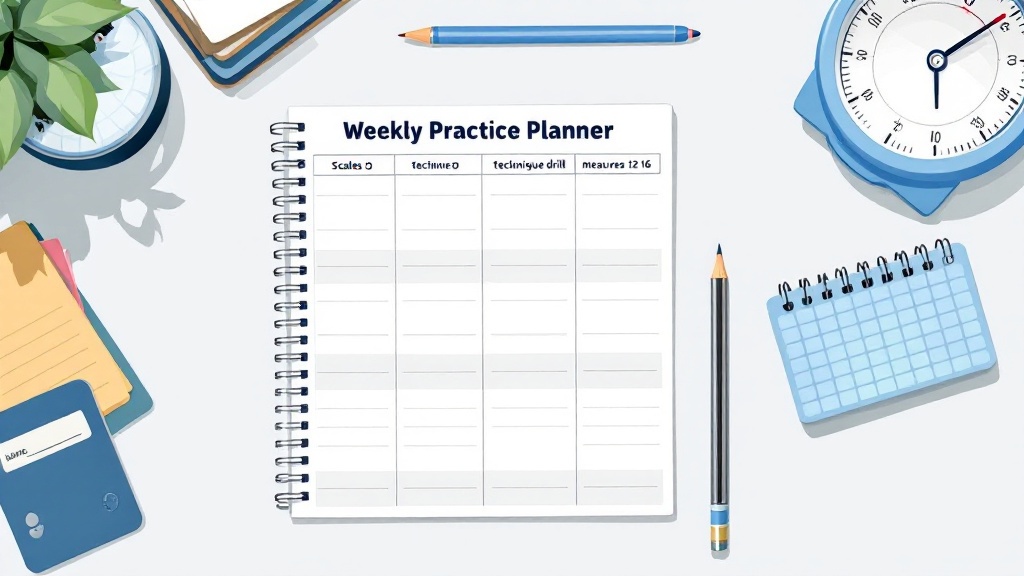
Most families aren’t failing because they don’t care; they’re failing because the practice plan is vague. “Practice this piece” isn’t a plan—it’s a hope. Effective practice habits require small, specific tasks: which measures, what tempo, what technique focus, and what “done” looks like. Without that structure, practice becomes a daily negotiation, and kids learn to associate piano with nagging rather than mastery.
In many studios, lesson quality varies and routines depend on the individual teacher. One week includes scales, sight-reading, and a checklist; the next week is mostly “play through.” This inconsistency makes progress unpredictable, and unpredictable outcomes kill student motivation. A child may practice yet still feel stuck, while a parent can’t tell whether the issue is effort, instruction, or the assignment itself. In the broader music education landscape, this is the hidden churn driver: when the path forward isn’t clearly mapped, families disengage to reduce friction—even if they still value piano.
Visible Milestones Change Everything: Motivation, Retention, and Confidence
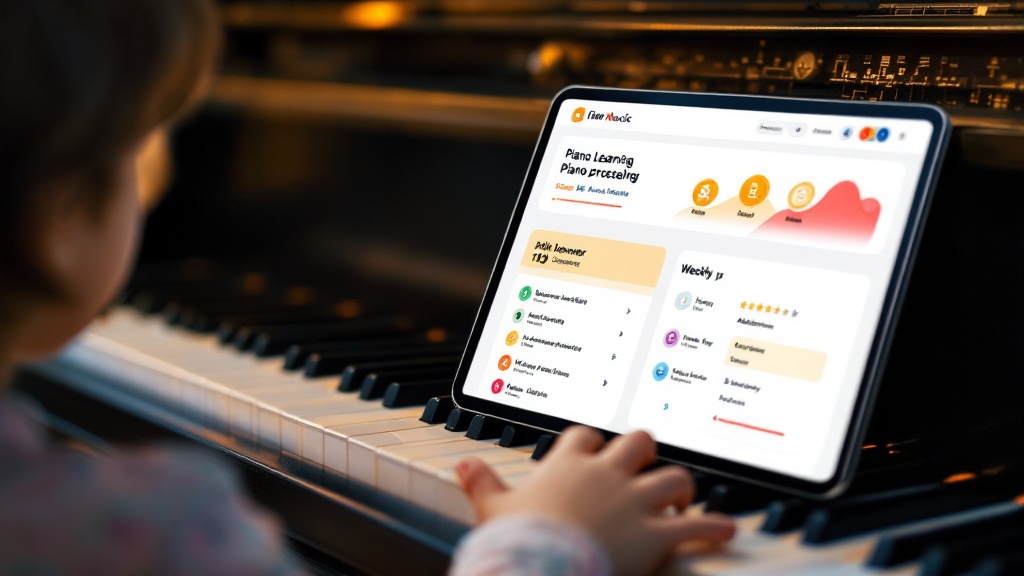
The fastest way to reduce quitting is to make progress visible. Measurable milestones—“Level 1 rhythm fluency,” “two-hand coordination checkpoint,” “recital-ready piece by date”—create a shared language for teachers, parents, and students. In piano lessons, this transforms practice from open-ended work into a series of achievable wins. Kids stay engaged when they can point to what improved, not just what still needs work.
This is where a curriculum-led approach helps families who want consistency. At Milestone Piano Academy, structured weekly assignments and transparent dashboards turn effort into evidence: teachers post scales, a short technique drill, and specific measures; students log practice; parents see what’s completed and what’s next. For busy parenting schedules, that clarity reduces conflict because expectations are baked into the plan. For adult learners and school programs, the same milestone reporting supports accountability. When student motivation dips (as it will), clear checkpoints and documented growth remind everyone that progress is real—making long-term practice habits easier to sustain.